Government Earns ₹25,491 Crore by Selling Shares of State-Owned Companies Aims for Another ₹31,000 Crore from LIC Offer for Sale
Jaipur : The Government of India has earned about ₹25,491 crore already in the year 2026-27 by selling shares of public sector undertakings. This is the amount collected through the Offer for Sale method since 2015. The total amount from disinvestment is expected to go up as the ongoing Life Insurance Corporation of India Offer for Sale is likely to bring in about ₹31,000 crore.
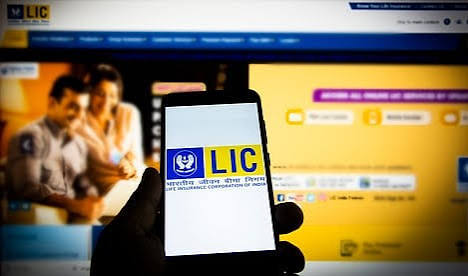
The Offer for Sale of LIC opened for -retail investors on Tuesday. The government is selling up to 6.5% of its shares including a 4% greenshoe option. The minimum price per share has been fixed at ₹382. The issue got a lot of interest from investors. Was completely filled on the first day.
BHEL Is the Top Performing State-Owned Company After the Offer for Sale
Among the state-owned companies that sold shares this year Bharat Heavy Electricals Ltd. Performed the best after the Offer for Sale. The stock is now trading 62% higher than the Offer for Sale floor price of ₹254 per share.
Other companies that did well include:
* Coal India – Up 9% from the Offer for Sale price.
* NHPC – Up 9%.
* Central Bank of India – Up 6%.
* GIC Re – Up 4%.
* NLC India – Trading 1% higher than the Offer for Sale level.
On the hand Indian Railway Finance Corporation is trading roughly 3% below its February Offer for Sale floor price.
Important State-Owned Companies That Sold Shares in FY2026-27
| Company | Offer for Sale Details | Closing Price (August 4 2026) |
| --------------------- | ---------------------------------- | -----------------------------: |
LIC Up to 6.5% share sale ₹394.20
| BHEL 5.3% share sale ₹408.80
| Coal India 2% share sale ₹415.85
| IRFC 2% share sale ₹89.74
| NHPC 2.73% share sale ₹80.73
| Central Bank of India | 8% share sale ₹31.25
| NLC India 2.73% share sale ₹300.95
| GIC Re Share sale in June 2026 ₹359.90
Why Is the Government Selling Shares?
The governments main goal is to get money through its disinvestment plan and follow the Minimum Public Shareholding norms.
According to SEBI rules the shareholding of promoters in companies should not be more than 75%. Companies that have more than this need to reduce their shares within a set time.
LIC is one of the important examples. The government currently has 90% of the shares in the insurance company, which means more share sales will be needed in the future to meet the minimum public shareholding requirement.
Experts Question the Timing
The government has set a target of ₹80,000 crore for disinvestment this year. However some people in the market think the LIC Offer for Sale could have been delayed, as the company still had months left to meet the public shareholding rules.
Market expert Ambareesh Baliga said the main issue now is where the government will use the money from the share sale. He said the money is probably going to be used to support oil subsidies or increase capital expenditure to help the economy grow.
Aurelius Business Opinion
The governments fast disinvestment plan shows its plan to make public finances stronger and improve the flow of money in state-owned companies. If the money is used for building infrastructure and productive investments it could be good for the economy and stock market in the run. At the time big sales like the LIC Offer for Sale give institutional and retail investors a chance to take part in India’s biggest state-owned companies but investment decisions should always be based on value, basics and long-term chances.
Disclaimer: This article is, for information and education only. Should not be considered investment advice. Investors should do their research or talk to a financial expert before making any investment choices.