
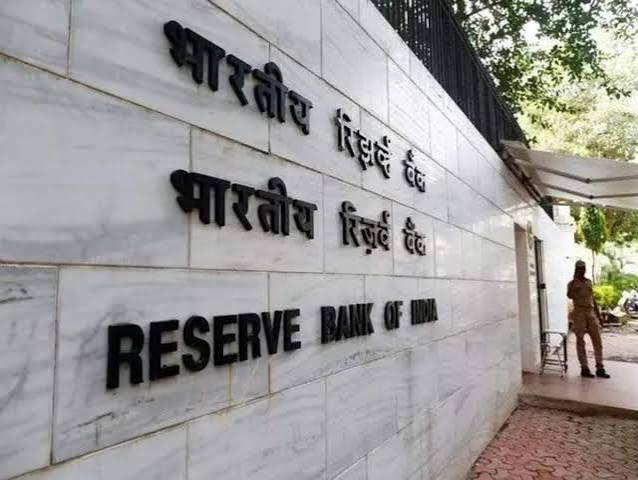
Jaipur : A proposed regulatory change by the Reserve Bank of India (RBI) could alter the way flexi loans, overdraft facilities and other revolving credit products offered by non-banking financial companies (NBFCs) operate.
According to a Moneycontrol report, the RBI's draft directions propose restrictions on revolving credit facilities, potentially affecting flexi and overdraft-based lending products offered by NBFCs. The proposed changes could have implications for corporate, MSME and unsecured personal-loan segments.
What is the ‘No-Refill’ concept?
A revolving credit facility allows a borrower to draw money up to an approved limit, repay the amount and then use the available credit again.
The proposed RBI framework could restrict this “borrow, repay and borrow again” model. Under the proposed approach, repayment of principal would not necessarily replenish the sanctioned credit limit in the same manner as under a conventional revolving facility.
This could fundamentally change the way some flexi and overdraft products are structured.
Which NBFC businesses could be affected?
The proposed changes could have an impact on NBFCs offering revolving or flexi-style credit to corporates, MSMEs and unsecured personal-loan customers.
Morgan Stanley, cited in the Moneycontrol report, expects NBFCs to potentially redesign their products to comply with the proposed framework while attempting to preserve their customer proposition and economics.
Why does it matter for borrowers?
The biggest potential change for borrowers would be the loss or reduction of the ability to reuse a repaid credit limit.
For example, under a traditional revolving facility, a borrower with a ₹10 lakh limit could draw ₹5 lakh, repay it and potentially draw again, subject to the terms of the facility.
If the proposed approach prevents the repaid principal from replenishing the available limit, borrowers may have to seek fresh borrowing rather than repeatedly reuse the same facility.
Could borrowers move towards term loans?
The proposed changes could encourage some borrowers to rely more heavily on conventional term loans.
However, this may create additional funding costs for borrowers who borrow money before they actually need it. Morgan Stanley's analysis, as reported by Moneycontrol, highlights the possibility of a negative carry if borrowers have to hold funds before deploying them. Moneycontrol report
For NBFCs, meanwhile, the likely response could be product redesign rather than an immediate withdrawal from the segment.
What does it mean for NBFCs?
The proposed framework could require NBFCs to reassess the structure and economics of their flexi and overdraft products.
Companies with significant exposure to these products may need to modify their lending models, pricing structures and repayment mechanisms if the proposals are finalised in their current form.
However, it is important to note that the RBI proposal is still at the draft stage. The final regulatory framework could differ from the proposals currently under discussion.
Aurelius Business View
The proposed “No-Refill” approach could represent a meaningful change for India's NBFC lending industry, particularly for lenders that rely heavily on revolving credit products.
For borrowers, the key issue is flexibility: the ability to repay and subsequently reuse a sanctioned credit line could become more restricted.
For NBFCs, the impact will depend largely on how the final RBI rules are structured and how effectively lenders can redesign their products without significantly increasing borrowing costs or reducing customer demand.
Disclaimer: This article is based on the proposed RBI framework and the analysis reported by Moneycontrol. The provisions may change before any final regulation is issued. This article is for informational purposes only and does not constitute investment advice.