
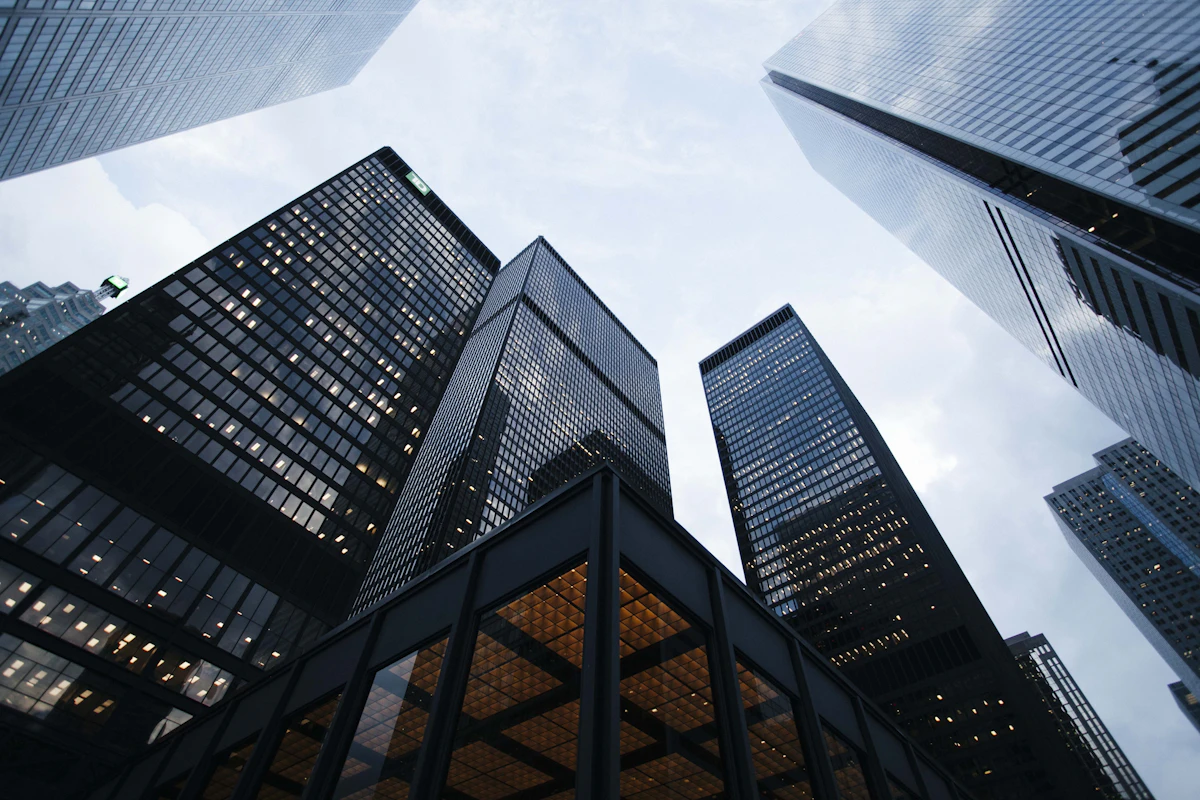
The commercial real estate sector is currently navigating an unprecedented period of structural realignment, primarily driven by the enduring adoption of remote and hybrid work models across major global industries. For decades, the valuation of premium urban office spaces was predicated on the absolute necessity of centralized corporate headquarters and dense commuter populations. However, the rapid acceleration of digital collaboration tools has fundamentally decoupled productivity from physical location, leading to persistently elevated vacancy rates in central business districts. Property owners and real estate investment trusts are now forced to radically rethink the utility of their portfolios, as traditional long-term leases are increasingly replaced by demands for flexible, collaborative, and highly amenitized workspaces.
This shift in tenant demand is catalyzing a massive wave of adaptive reuse projects within metropolitan centers, as developers seek to repurpose underutilized commercial buildings. Converting aging office towers into mixed-use developments, residential apartments, or specialized life science laboratories has become a critical strategy for preserving property values and revitalizing urban neighborhoods. However, these ambitious conversion projects are fraught with significant challenges, including complex zoning regulations, structural limitations, and the immense capital required for substantial renovations. Consequently, successful adaptive reuse requires sophisticated financial modeling, innovative architectural solutions, and close collaboration with municipal authorities to navigate the intricate bureaucratic landscape.
Simultaneously, the industrial real estate segment has experienced explosive growth, fueled by the relentless expansion of e-commerce and the strategic restructuring of global supply chains. The demand for modern, highly automated logistics centers and last-mile distribution hubs has far outpaced available supply, driving significant appreciation in industrial land values. Companies are aggressively acquiring warehousing space situated close to major population centers to ensure rapid delivery times and optimal inventory management. This dynamic has created a stark divergence within the broader real estate market, where industrial assets consistently outperform their commercial office counterparts, attracting massive inflows of institutional capital seeking reliable yields.
Furthermore, the integration of environmental sustainability is becoming a paramount consideration in real estate valuation and development. Commercial tenants, investors, and regulatory bodies are increasingly demanding buildings that adhere to stringent energy efficiency standards, utilize sustainable materials, and minimize their carbon footprint. Properties that fail to meet these evolving environmental benchmarks risk becoming stranded assets, facing diminished tenant interest and severe discounts in valuation. Consequently, developers are prioritizing green building certifications and smart building technologies, recognizing that sustainable infrastructure is not merely an ethical choice, but a fundamental requirement for maintaining long-term asset competitiveness and market relevance.
In conclusion, the future of urban real estate will be defined by agility, innovation, and a deep understanding of evolving human behavior. The commercial office sector will undoubtedly contract, evolving into specialized collaborative hubs rather than mandatory daily destinations. Meanwhile, the industrial and residential sectors will continue to adapt to the demands of a digitally integrated economy. Navigating this complex transition requires real estate professionals to look beyond historical paradigms, embracing adaptive reuse, prioritizing environmental sustainability, and aligning their portfolios with the fundamental changes in how society works, lives, and consumes in the twenty-first century.


