
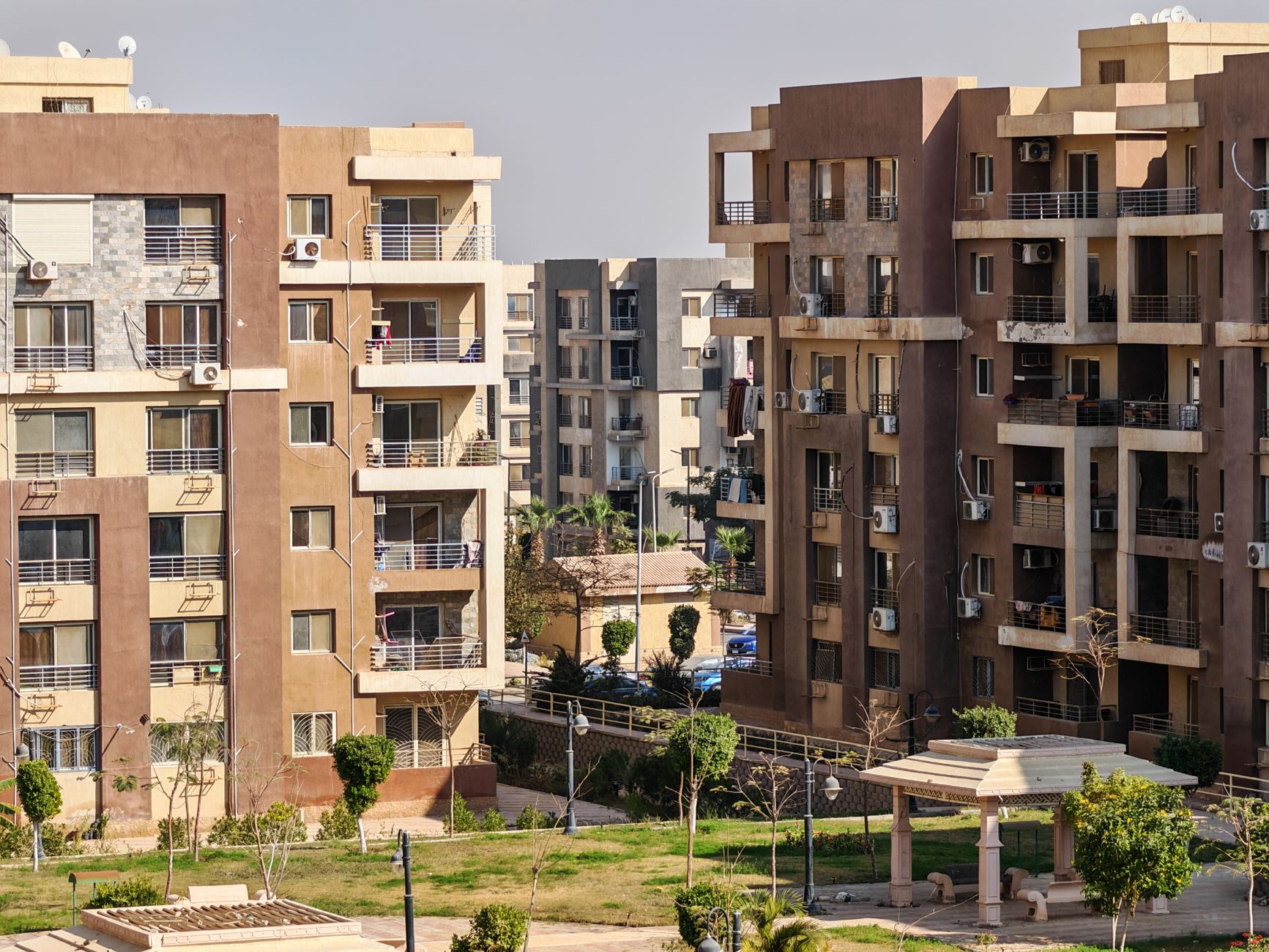
As of July 3, 2026, the Indian real estate sector is experiencing a transformative recalibration, influenced by economic shifts and evolving regulatory landscapes. The National Real Estate Development Council (NAREDCO) reports a **10% decline** in residential sales volume year-on-year, reflecting the sector's adjustment in response to fluctuating interest rates and inflationary pressures. Major cities like Mumbai and Delhi have seen property prices stabilize, with Mumbai's residential index now at **540 points**, a marginal **2% increase** from last year, but down from a peak of **600 points** in early 2025.
Market Dynamics and Challenges
The market capitalization of listed real estate firms stands at approximately **₹3.2 lakh crore**, a decrease of **15%** since the start of 2026. The recent interest rate hikes by the Reserve Bank of India (RBI) have increased borrowing costs, thereby affecting buyers' purchasing power. The sector has also been challenged by a **20% increase** in construction costs due to supply chain disruptions and rising commodity prices. Consequently, developers are recalibrating project timelines and launch strategies to align with current market sentiment.
Rental yields in major urban centers are witnessing a significant shift. According to recent data, yields in Bengaluru have dropped to **3.5%**, while Hyderabad shows a marginal increase to **4%** due to an influx of tech firms. In contrast, commercial real estate has remained resilient, with the office space segment reporting a **15% YoY increase** in leasing activity. The overall vacancy rate in the top eight cities has stabilized at **12%**, suggesting a cautious optimism as firms reconsider their real estate needs post-pandemic.
Government initiatives, such as the new housing scheme launched in June 2026 aimed at affordable housing, have stirred interest among potential homebuyers. However, the impact of this scheme on the overall housing stock remains to be evaluated. The scheme is projected to support approximately **50,000 units** across various states, which could potentially uplift the residential segment by **5%** in the upcoming quarters. Nonetheless, the success will heavily depend on the execution and timely delivery of these projects.
In conclusion, while the Indian real estate sector is entering a phase of cautious recalibration, its future trajectory remains contingent upon macroeconomic stability and effective policy implementations. A comprehensive understanding of market dynamics, such as interest rate fluctuations, construction costs, and government initiatives, will be critical for stakeholders navigating this complex landscape. As the sector adapts, investors and developers alike must remain vigilant to capitalize on emerging opportunities while mitigating risks in this evolving environment.
Compiled by Aurelius Business Desk from published reports.


