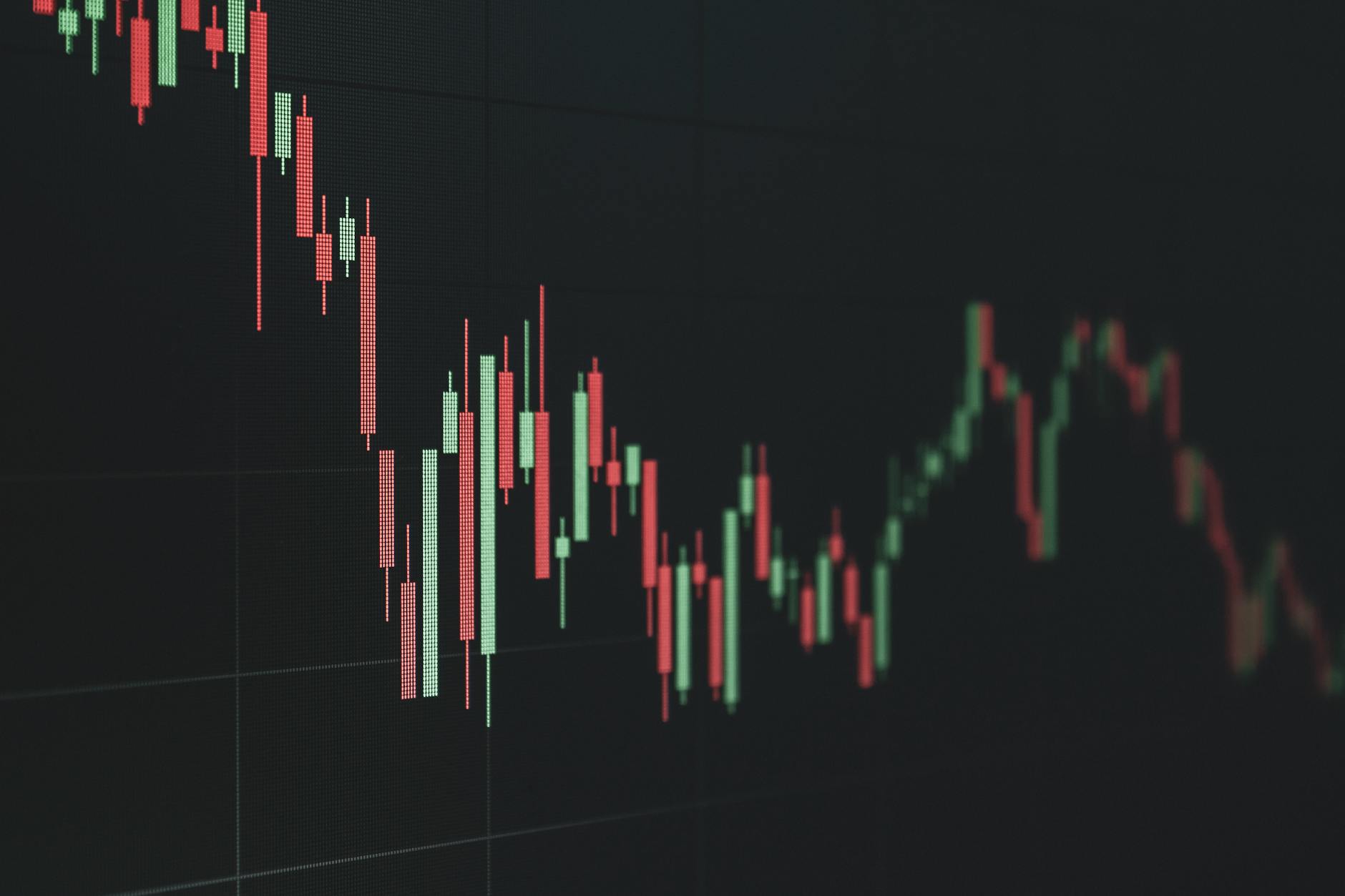
On July 16, 2026, U.S. stock market index futures are showing a downward trend with significant implications for investor sentiment. The S&P 500 futures fell by 1.2% to 4,250, while the Dow Jones Industrial Average futures decreased by 0.9%, currently at 34,500. The Nasdaq Composite futures are down 1.5%, hovering around 14,000. This decline marks a continuation of the market's volatility, reflecting broader economic concerns that have triggered a risk-off environment among investors.
Market Overview and Sector Performance
The recent dip in U.S. index futures can be attributed to a series of unsettling economic indicators that have emerged. Year-over-year, the Consumer Price Index (CPI) has risen by 4.2%, leading analysts to question the Federal Reserve's ability to maintain its current monetary policy. The technology sector, often seen as a bellwether for market performance, has particularly struggled, with the NASDAQ-100 down by 2.3% over the past week. Notably, the tech sector's market cap has contracted to $9 trillion, down from $9.5 trillion earlier this year.
The financial sector has also been affected, showing mixed performance as interest rates remain uncertain. The Financial Select Sector SPDR Fund recorded a modest drop of 0.5%, reflecting investor caution amid potential regulations that could impact profitability. Furthermore, major banks are increasingly signaling a tightening of lending standards, which could further dampen economic growth and consumer confidence.
Amid these developments, market analysts are closely examining the Federal Reserve's upcoming decisions. With inflation remaining above target levels, a potential interest rate hike could be on the horizon. Economists predict a 25 basis point increase in the next meeting, which could further exacerbate the ongoing market volatility. As the Fed navigates this complex landscape, the impact on equities could be profound, particularly for sectors sensitive to interest rates.
In conclusion, as futures indicate a grim day ahead for U.S. equities, the interplay of inflation, interest rates, and sector-specific challenges is likely to dominate market narratives in the coming weeks. Investors are urged to remain vigilant and recalibrate their strategies, as the economic landscape evolves. The uncertainty could persist, with analysts projecting a cautious market outlook for the second half of 2026.
Compiled by Aurelius Business Desk from published reports.


