
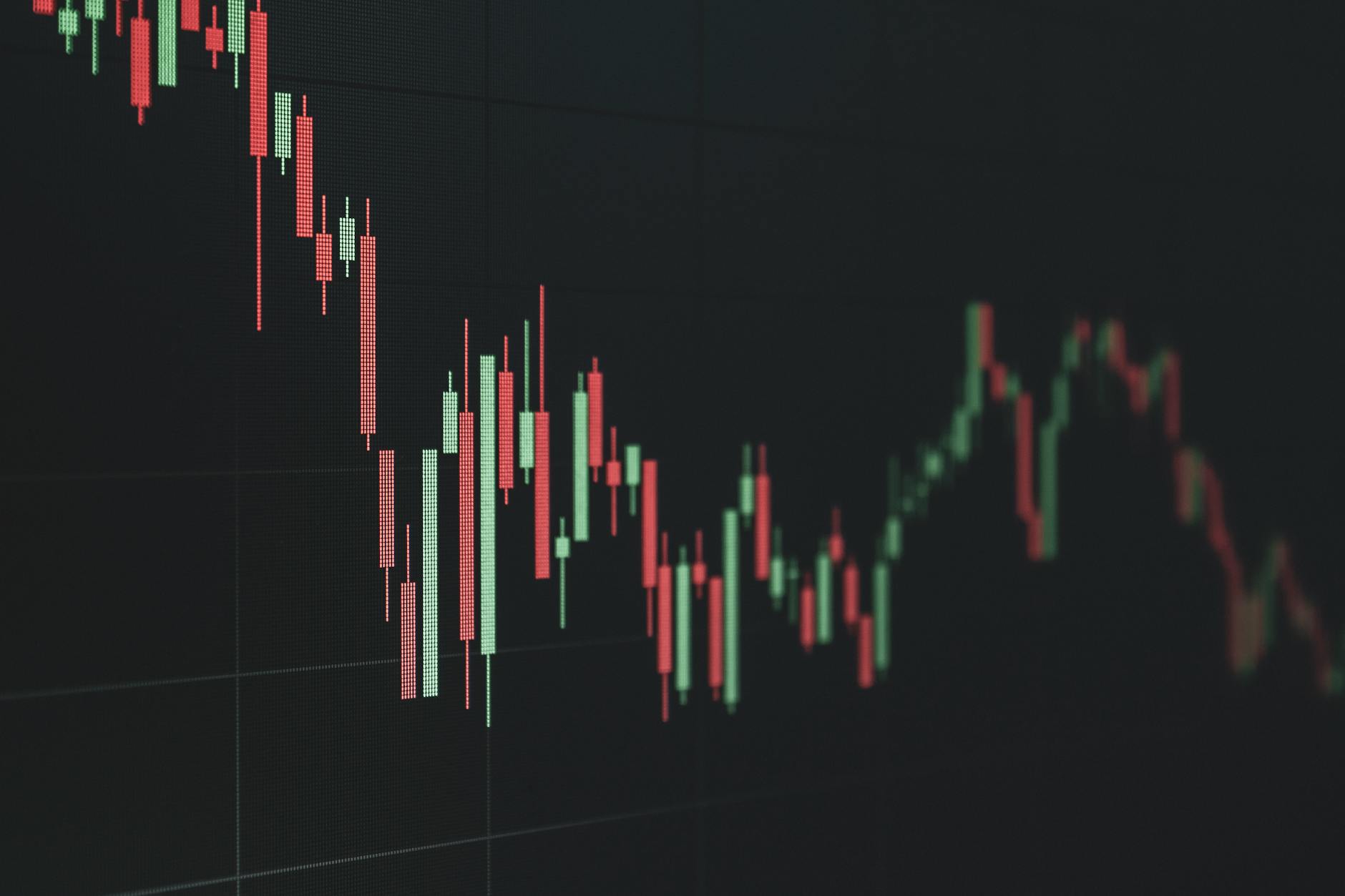
On July 14, 2026, the US stock market opened to a wave of selling, with investors reacting to persistent inflation concerns and rising bond yields. The S&P 500 index fell by 1.2% to settle at 4,200, while the Dow Jones Industrial Average experienced a decline of 0.9%, closing at 33,800. The tech-heavy Nasdaq Composite fared the worst, dropping 1.5% to finish at 13,000. This downturn reflects a wider sentiment in the market, driven by the latest economic data revealing a 4.5% year-on-year increase in consumer prices, which reignited fears of persistent inflation.
Impact of Rising Bond Yields
As inflation fears loom, US Treasury yields have surged, with the benchmark 10-year yield climbing to 3.8%. Higher yields generally translate to increased borrowing costs which can dampen corporate profits and consumer spending. The financial sector has shown signs of resilience, yet the financials index fell 0.7% today in light of the broader market decline. Analysts note that if yields continue to rise, we may see a rotation out of growth stocks and into value stocks, as investors seek safer, income-generating assets.
The technology sector, which has been the standout performer for much of the past year, is now facing headwinds. The technology index dropped 1.8% today, led by declines in major firms like Apple and Microsoft, which fell 2.0% and 1.5% respectively. Year-on-year, tech stocks have returned approximately 15%, but the recent volatility raises questions about their sustainability in the face of tightening monetary policy. Investors are increasingly scrutinizing earnings forecasts as they adjust their portfolios in response to macroeconomic signals.
Meanwhile, the energy sector has shown remarkable resilience, buoyed by rising oil prices, which climbed to a more than two-year high of over $85 per barrel. The energy index is up 4.0% year-to-date, driven by sustained demand and supply constraints. The market cap of key players in the sector, such as Exxon Mobil and Chevron, reflects this trend, with valuations rising by approximately 20% over the last twelve months.
Looking ahead, market participants will keenly watch the upcoming Federal Reserve meeting, as any signals regarding interest rates or inflation control strategies could significantly impact market sentiment. With the current volatility, analysts suggest that investors should remain cautious and consider diversifying their portfolios to hedge against potential downturns. A focus on sectors like healthcare and consumer staples, which traditionally perform well in inflationary environments, may provide a buffer against ongoing market fluctuations.
Compiled by Aurelius Business Desk from published reports.


