JAIPUR: Gold prices in the domestic market are under pressure, and this pressure could deepen in the coming days. For investors and buyers who have their eyes on gold rates ahead of the wedding season, the next two weeks are set to be particularly crucial. Experts believe that a stronger rupee, combined with the US Federal Reserve's upcoming policy meeting, could together keep gold's momentum subdued. To understand this developing situation better, we spoke with Rajeev Sharan, Head - Criteria, Model Development & Research at Brickwork Ratings.
A Stronger Rupee Is Keeping Domestic Gold in Check
According to Rajeev Sharan, healthy inflows into FCNR(B) deposits have lent support to the rupee. FCNR(B), or Foreign Currency Non-Resident Bank deposits, is a popular savings option among non-resident Indians, and the strong foreign investment flowing into this route is directly helping improve the rupee's health. He notes that when the rupee strengthens, domestic gold prices tend not to rise sharply even if global prices hold steady.
In simple terms, gold imported into India is priced against international dollar-denominated rates and then converted into rupees for sale. So when the rupee stays strong, the dollar cost of importing gold works out comparatively lower for Indian importers, and that benefit passes directly on to domestic prices. In other words, even if gold holds firm globally, the silver lining for Indian investors right now is that the currency factor is helping keep local prices in check.
The Real Action Lies With the US Fed Meeting
Sharan points out that the biggest trigger over the next two weeks will be the US central bank's decision, due on September 16. Investors across the globe currently have their eyes fixed on this one date, since the Fed's decision doesn't just move American markets — it ripples through gold, currencies, and emerging markets alike.
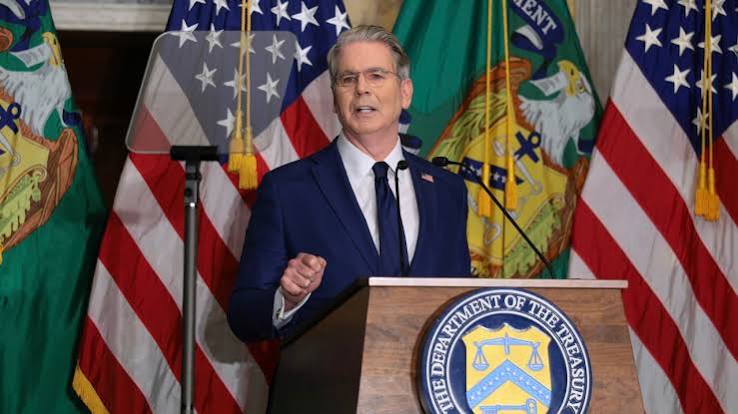
Following Fed Chair Kevin Warsh's hawkish tone at Jackson Hole, the market is now split almost evenly on whether the Fed will raise interest rates by a quarter point or hold them steady at the current 3.50 to 3.75 percent. This uncertainty could itself drive volatility across asset classes, including gold, over the next few days. Traders and analysts are now closely parsing every statement, economic data point, and inflation signal to gauge which way the Fed is likely to lean.
A Rate Hike Would Mean More Pressure on Gold
Sharan explains that if the Fed raises rates — or even holds them while striking a hawkish tone — it would directly push up US Treasury yields. As yields rise, investors tend to shift toward these safer, higher-paying bonds. This, in turn, makes gold less attractive, since it pays no interest, whereas Treasury bonds offer fixed returns along with the security of government backing.
This is the fundamental reason why gold and interest rates often move in opposite directions. When rates climb, money gets pulled toward the bond market, and gold's shine tends to dim. That's why, if the Fed maintains a hawkish stance, gold could see further pressure in the days ahead, with investors likely to witness sharper short-term volatility.
So, Is Hope for Relief Misplaced?
Not at all. Sharan also notes that a softer signal from the Fed could quickly turn things around. Market expectations around interest rates are highly sensitive, and even a single statement or remark has the power to shift the entire mood. If Fed Chair Warsh shows even a hint of dovishness in his upcoming remarks, or if economic data comes in weaker than expected, investor confidence could swing right back toward gold.
What This Means for Investors
Market experts advise against making any major decisions in haste during this period. For those planning to buy gold for weddings or the festive season, the expectation of stable or slightly softer prices over the coming days could actually work in their favour. For long-term investors in gold, it's worth remembering that gold has traditionally served as a hedge against inflation and geopolitical uncertainty, even if near-term pressure from interest rates appears to dull its shine.
The Bigger Picture
In the current environment, a stronger rupee and the Fed's potentially hawkish stance are both weighing on gold, while the September 16 meeting holds the power to flip this entire equation. Overall, all eyes in the market remain firmly fixed on the Fed's next move. The next two weeks call for both patience and caution from gold investors, and waiting for the outcome of the Fed meeting before making any major decision would be the prudent path forward.