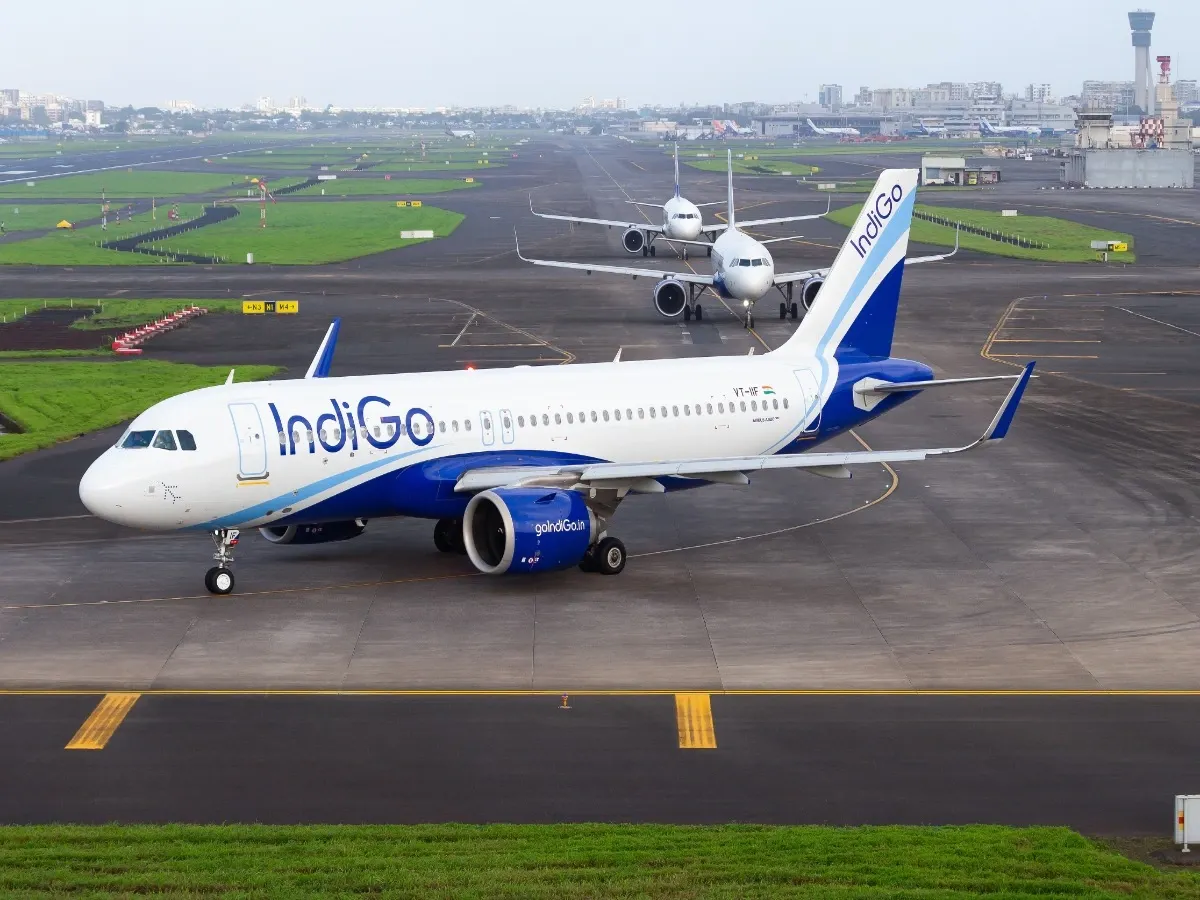
Jaipur: InterGlobe Aviation, the parent company of India's largest airline IndiGo, reported a net loss of ₹382 crore for the first quarter of FY27 (April-June) — a sharp reversal from a profit of ₹2,161 crore in the same quarter last year. The decline comes even as the company's revenue grew 20% year-on-year to ₹24,584 crore, up from ₹20,496 crore in the corresponding quarter of the previous year.
what caused the loss?
The company has attributed the loss to three key factors:
Higher jet fuel costs—Escalating US-Iran tensions drove crude oil and aviation turbine fuel (ATF) prices sharply higher, significantly increasing the airline's operating costs.
Currency volatility—A weaker rupee added further pressure on costs.
Disruptions on Middle East routes—Ongoing conflict in West Asia created operational challenges on several international routes.
IndiGo Managing Director Rahul Bhatia said the quarter was marked by a "volatile operating environment," including elevated fuel costs and network-related disruptions.
Why Did Strong Revenue Growth Not Translate Into Profit?
This is the interesting part — the company's top-line growth remained robust, but rising fuel costs wiped out the entire profit. Analysts had already flagged margin pressure ahead of the results — brokerage Elara Capital had earlier estimated aviation fuel costs could rise as much as 129% year-on-year, though the exact percentage increase will only be confirmed once it's separately disclosed in the company's exchange filing.
Outlook Ahead
The company has indicated that capacity growth is likely to remain broadly flat in the second quarter (July-September), citing seasonal weakness in travel demand and continued uncertainty around India-West Asia routes. This suggests that pressure could persist into the next quarter unless crude oil prices stabilize.
Aurelius business view
IndiGo's results are a clear illustration of how geopolitical risk can weigh heavily even on a fundamentally strong business—the company's demand and revenue growth remain solid, but an external factor like fuel costs completely reversed profitability. For investors, this quarter is a reminder of how closely the aviation sector's fortunes are tied to crude oil movements. That said, if tensions in West Asia ease and fuel prices normalize, the company's strong market position and passenger demand could support a recovery in the coming quarters.
Disclaimer: This article is for informational purposes only and should not be construed as investment advice. Stock market investments are subject to market risks. Please consult a certified financial advisor before making any investment decisions. Aurelinormalize shall not be held responsible for any investment losses.