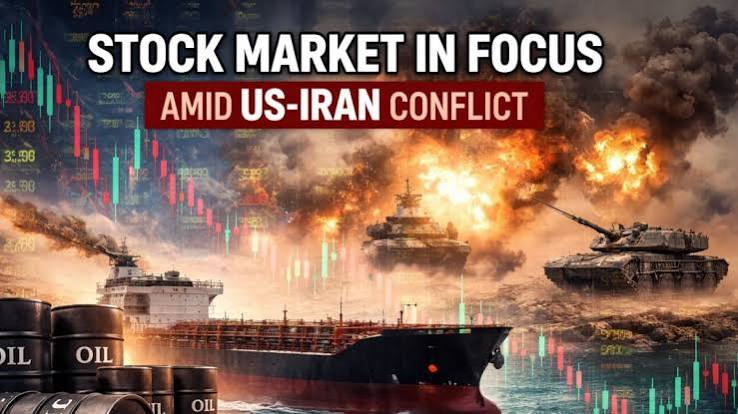
Jaipur, 2.39 AM — Indian equities plunged into the red this morning as geopolitical risks flared between the United States and Iran, unraveling the optimism from last week's RBI rate hold and growth upgrade. The Sensex fell 362.57 points or 0.46 percent to trade near the day's lows, while the Nifty 50 slumped 112.90 points or 0.46 percent to 24,470.90. The sell-off extended into the banking sector, with HDFC Bank sliding to two-year lows as investors fled both domestic equities and risk assets more broadly.
The timing matters. After a week of positive sentiment driven by RBI's growth confidence and stable rates, the geopolitical shock reveals how fragile that confidence remains. Foreign investors who stepped back into the market late last week are now reconsidering, and domestic traders are cutting positions ahead of the weekend.
What's Happening Right Now
<cite index="37-1">Market weakness intensified mid-morning as expectations of a US-Iran diplomatic settlement faded, with Nifty 50 down 112.90 points (0.46%) and Sensex down 362.57 points (0.46%) by 11:45 AM</cite>.
HDFC Bank, India's largest private sector lender, bore the brunt of selling pressure, touching levels last seen in 2024—a retreat of nearly two years for the stock. This isn't sector rotation; it's capitulation. When the largest bank in the system hits two-year lows, it signals panic, not rational rebalancing.
The selling broadened across the board. Financial stocks, which were supposed to benefit from RBI's growth upgrade and expected rate cuts, instead led the decline. Auto stocks, which had rallied on cyclical recovery expectations, turned negative. Even export-linked plays (IT, pharma) couldn't find safe haven.
Why Geopolitical Risk Matters Now
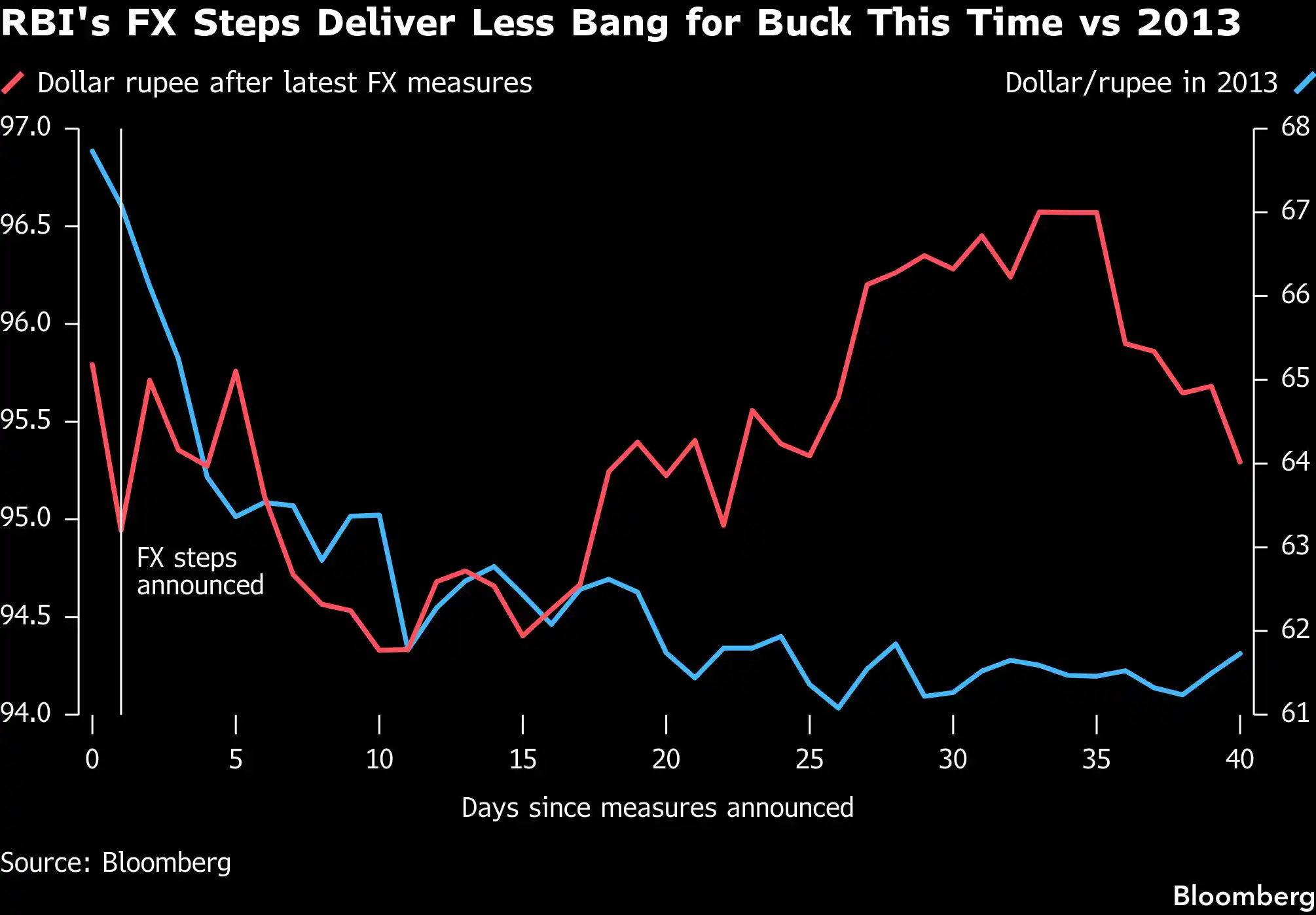
Timing and Narrative Collision. Last week felt like a turning point. The RBI's growth upgrade, stable rates, and positive earnings from large-cap developers like DLF and Godrej seemed to signal that India's external vulnerabilities had stabilized. The rupee had already depreciated; FCNR deposits were flowing in; FPI was supposed to return. Then geopolitical tension disrupted that narrative.
Capital Flows Reverse. Global investors already burned by rupee weakness and rupee-hedging costs don't have patience for fresh shocks. The question that ran through trading desks this morning: "Is India still safe?" When geopolitical risks escalate globally, capital flees emerging markets first. India, with its $17.3 billion in FPI outflows year-to-date, sits at the back of the queue for risk capital. Fresh geopolitical uncertainty means that FPI flow reversal we were banking on may delay by weeks or months.
Oil Price Implications. A US-Iran flare-up typically means higher crude oil prices. For India, that translates to (a) widened current account deficit, (b) inflation pressure, (c) rupee depreciation. Each of these was supposed to stabilize. A spike in crude oil prices reopens all three vulnerabilities simultaneously.
Banking Sector Caught in Crossfire. HDFC Bank's collapse to two-year lows tells a story: rising deposit costs (FCNR rate pressure), falling loan demand (uncertainty spooks corporates), and tighter margins. When banks sell off this sharply on a geopolitical shock, it's not about the bank—it's about investors losing confidence in the entire economic expansion narrative.
What Traders Should Watch Now
Support Levels Breaking. Nifty 50 trading near 24,470 is testing key support. A close below 24,400 could trigger automatic selling and accelerate the decline. Watch for any violation of the 50-day moving average; that typically signals capitulation.
Bank Nifty Breakdown. Financial stocks are the canary in the coal mine. If Bank Nifty breaks below recent lows (around 51,000), it signals that traders have given up on rate-cut expectations and cyclical recovery. That's a dangerous signal.
HDFC Bank Capitulation Signal. HDFC Bank at two-year lows despite strong Q1 earnings and RBI growth optimism is a SELL signal for the broader financial sector. When fundamentals don't matter and prices just decline, emotional selling has taken over.
FPI Flows Reverse Again. Watch depository data tomorrow. If FPIs sold today (which they likely did), we're back to the outflow cycle that dominated first half of 2026.
What This Means (Trading Perspective)
For swing traders:
- Short-term support levels are breaking. The rally from RBI's growth upgrade looks like a bear trap.
- Banking and financials are in freefall. Avoid fresh long positions until stabilization signals emerge.
- Export stocks (IT, pharma) outperform in this environment. The rupee will likely weaken further, but that's already priced into these sectors.
- Volatility is likely to stay elevated. Options premiums have expanded; consider hedging short-term longs.
For position traders:
- The "growth cycle" narrative just got disrupted. Hold your core positions but reduce leverage.
- Watch for any stabilization in HDFC Bank or Bank Nifty. That's the signal that panic is exhausted.
- Don't chase shorts. Sell-offs on geopolitical news typically reverse once risk premium stabilizes.
For long-term investors:
- Volatility creates opportunity. But today isn't that opportunity. Wait for the dust to settle and fear to reach an extreme before bottom-fishing.
- Quality stocks (TCS, Infosys, Cipla) will hold better than mid-caps and banks. They offer relative safety in uncertainty.
- If rates eventually cut (as RBI signaled), that's a medium-term positive. But near-term, geopolitical risk overrides everything.
Bottom Line
The RBI's growth confidence and rate-hold decision looked like a turning point last week. Today's sell-off reminds investors that external risks—rupee, FPI flows, oil prices, geopolitics—remain critical variables. The domestic growth story is intact. But international capital flows are fragile. Until US-Iran tensions ease and global risk appetite stabilizes, Indian equities will remain under pressure despite positive RBI signals.
Watch for fresh news on US-Iran negotiations. That's the key catalyst that will determine whether today's sell-off is a brief panic or the beginning of a deeper correction.