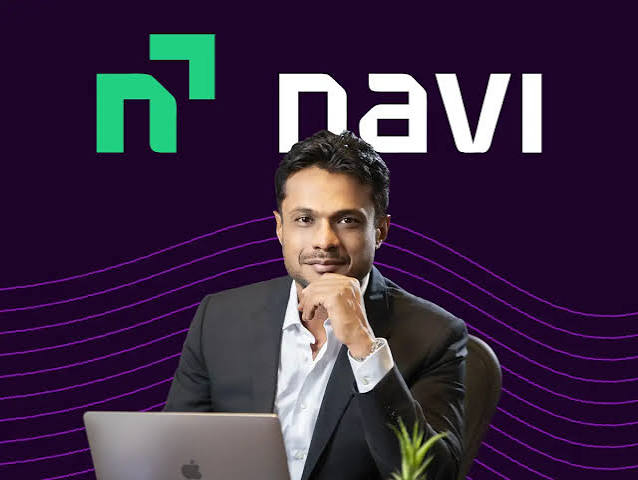
Key Highlights
-
Sachin Bansal’s Navi is reportedly preparing to launch an IPO of around ₹3,000 crore.
-
The company is targeting a valuation of around $2 billion.
-
Navi has appointed JM Financial, Kotak Mahindra Capital, Goldman Sachs and JPMorgan for the IPO process.
-
The company is preparing to file its IPO documents with SEBI.
-
Navi has expanded beyond lending into insurance, mutual funds and UPI payments.
After Flipkart, Sachin Bansal’s Second Big Bet
Sachin Bansal, who built his reputation in India’s e-commerce industry as the co-founder of Flipkart, is now preparing to take his financial-services business to the public markets.
His company Navi is reportedly planning an IPO of around ₹3,000 crore.
Navi started primarily as a digital lending company, but its business has expanded significantly over the years. Today, the company operates across personal loans, home loans, insurance, mutual funds and digital payments.
If the IPO goes ahead, it could become one of the more closely watched fintech listings in India.
Why Is the ₹3,000 Crore IPO Important?
One of the most important aspects of the proposed IPO is the potential Fresh Issue component. In a fresh issue, a company creates and sells new shares, with the proceeds going directly to the company.
If the entire ₹3,000 crore is raised through a fresh issue, Navi could use the capital to expand its business, strengthen its lending book and invest in technology infrastructure.
This is different from an OFS, or Offer for Sale, where existing shareholders sell their shares and receive the proceeds themselves.
However, investors should wait for the final IPO structure. The exact mix of fresh issue and OFS, if any, will become clear once Navi files its Draft Red Herring Prospectus (DRHP) with SEBI.
The $2 Billion Valuation Challenge
Navi is reportedly looking at a valuation of around $2 billion. This will be an important factor for the company because investors do not evaluate an IPO solely on its growth story.
They also look at whether the proposed valuation is justified by the company’s revenue, profitability, loan book and future growth prospects.
That is likely to be one of the biggest tests for Navi when it eventually comes to the market.
What Does Navi Actually Do?
Lending remains at the core of Navi’s business. The company uses a digital-first model to offer customers personal loans, home loans and other credit products.
Navi is also present in the mutual fund business, where it has focused on low-cost investment products. Insurance and health insurance are also part of its financial-services portfolio.
The company has also entered the UPI payments space.
In other words, Navi is no longer simply a digital lending platform. It is attempting to build a broader financial ecosystem where customers can access borrowing, investment, insurance and payments through the same platform.
Competition from Paytm, PhonePe and Jio Financial
Navi is entering the public markets at a time when competition across India’s fintech sector is intensifying.
Paytm and PhonePe have strong positions in payments and digital financial services. Jio Financial Services has the advantage of Reliance’s large ecosystem and customer reach. PB Fintech, through Policybazaar, has established a strong position in insurance distribution.
Navi’s strategy is different, with lending at the centre of its business and other financial products built around it.
But maintaining credit quality while expanding the loan book rapidly will remain one of the company’s biggest challenges.
Where Could the ₹3,000 Crore Go?
The capital raised through the IPO could potentially be used to expand Navi’s lending business, strengthen its technology platform, support regulatory capital requirements and increase customer acquisition.
The exact use of IPO proceeds, however, will be disclosed in the company’s official IPO documents.
For investors, Navi’s asset quality, borrowing costs, loan growth, profitability and regulatory compliance will be key factors to monitor before making an investment decision.
DRHP Filing Is the Next Big Milestone
Navi has reportedly brought in JM Financial, Kotak Mahindra Capital, Goldman Sachs and JPMorgan to assist with the IPO process.
Reports suggest that the company is preparing to file its DRHP with SEBI. However, different timelines have been reported regarding the filing, so the December timeline should currently be treated as a proposed target rather than a confirmed deadline.
Aurelius Business View
Navi’s proposed IPO is not just about Sachin Bansal’s return to the public markets. It will also test how Indian investors value a technology-driven lending and financial-services company.
The potential ₹3,000 crore issue could give Navi substantial capital for expansion, but for investors, the bigger question will be profitability and the quality of its loan book rather than the fintech label alone.
Once the DRHP is filed, investors will have a clearer picture of Navi’s financial performance, valuation, risk factors and the proposed use of IPO proceeds. Only then will it be easier to judge whether Navi represents an attractive growth opportunity or an expensive fintech story.
Disclaimer: This article is based on publicly available information and reported developments. The IPO size, valuation, issue structure and filing timeline may change. This is not investment advice. Investors should independently review the company’s official DRHP and other regulatory disclosures before making any investment decision.