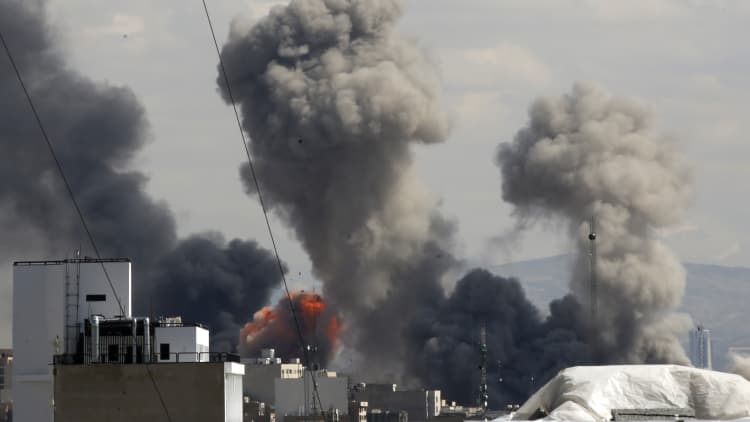
JAIPUR: The White House on Wednesday said it was still impossible to predict how long any future conflict involving Iran could last, adding to the uncertainty surrounding the Middle East as diplomatic efforts continue alongside heightened regional tensions.
A senior US official said the duration of any possible military confrontation would depend on how the situation develops. It could last for only a few days or continue for several weeks, depending on the decisions taken by the countries involved and whether diplomatic efforts are able to prevent further escalation.
The comments come at a time when governments and financial markets are closely watching developments between Washington and Tehran. While there are signs of diplomatic engagement, officials have made it clear that the situation remains fluid.
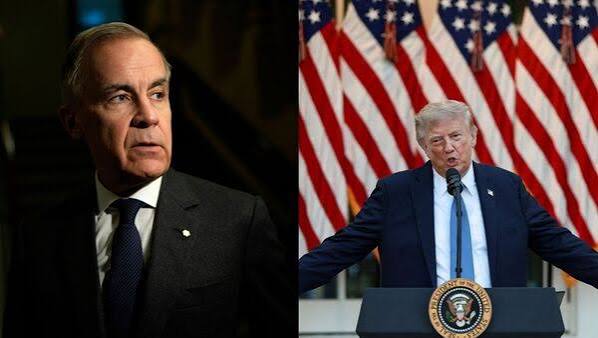
US President Donald Trump has said he hopes major fighting will not resume. At the same time, administration officials have avoided making any firm prediction about what could happen next.
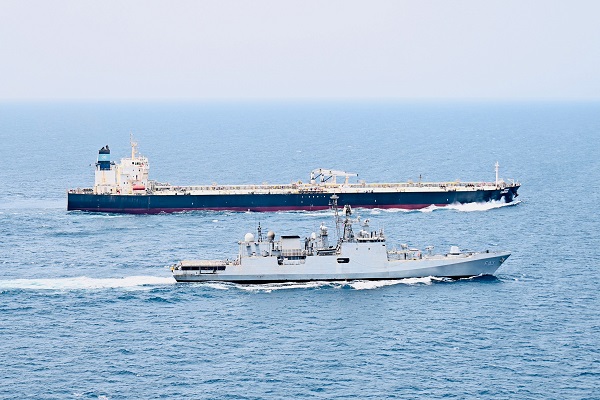
The uncertainty is important not only from a security perspective but also for the global economy. Any fresh escalation involving Iran could affect crude oil supplies, shipping through the Gulf and investor sentiment across global markets.
Diplomatic Efforts Remain Important
Several countries have continued to push for restraint and dialogue, with the aim of preventing the situation from turning into a wider regional conflict.
Diplomatic channels remain active, but the possibility of a sudden change in the security situation has not disappeared. Officials have acknowledged that developments in the region can move quickly, making it difficult to determine how long the current period of uncertainty could last.
For markets, the difference between a short-lived confrontation and a prolonged conflict could be significant.
If tensions remain limited and diplomatic efforts gain momentum, the impact on financial markets could gradually ease. But if military action resumes and begins to affect energy infrastructure or important shipping routes, the consequences could be much wider.
Oil Market in Focus
Crude oil is likely to remain the biggest financial-market concern as investors assess the situation.
Iran is an important player in the global energy market, while the Gulf region is one of the world's most important routes for oil shipments. Any disruption to production, exports or shipping could quickly push crude prices higher.
That would create problems for oil-importing economies.
Higher crude prices can increase transportation and production costs and can also add to inflationary pressure. If oil remains expensive for a prolonged period, central banks may have less room to reduce interest rates, particularly if inflation begins to rise again.
This makes developments in the Middle East particularly important for investors who are already watching interest-rate decisions and global economic growth.
Why India Could Feel the Impact
For India, a sustained rise in crude oil prices could become an important economic concern.
India depends heavily on imported crude, so higher international oil prices can increase the country's import bill and put pressure on the rupee. Rising fuel and transportation costs can also affect businesses across several sectors.
The impact on the stock market would not necessarily be the same for every company.
Industries that depend heavily on fuel and transportation could face higher costs if crude prices remain elevated. Airlines, logistics companies, chemicals and other energy-sensitive businesses could come under pressure.
On the other hand, companies directly linked to the energy sector may benefit from stronger crude prices, depending on their business structure and exposure.
The broader market reaction would ultimately depend on how long the oil-price shock lasts and whether it starts affecting inflation and economic growth.
Global Markets Could Stay Volatile
Geopolitical uncertainty usually makes investors more cautious.
If tensions between the US and Iran rise again, investors could move towards safer assets and reduce exposure to riskier investments. That could increase volatility in equities, emerging-market currencies and other risk-sensitive assets.
However, the scale of the market reaction will depend heavily on what happens next.
A short military confrontation that does not affect oil production or shipping could have a limited and temporary impact. A longer conflict involving energy infrastructure or major trade routes would be a very different situation.
That is why investors are paying close attention to more than just military statements. Developments related to oil supplies, shipping and regional infrastructure could prove equally important.
Washington and Tehran Statements Under Watch
Financial markets are now looking for signals from both Washington and Tehran that could indicate where the situation is heading.
Any meaningful progress on the diplomatic front could reduce fears of another major confrontation. It could also ease some of the pressure on crude oil and risk-sensitive assets.
However, renewed military action could quickly change that picture.
For investors, the key question is whether the current diplomatic engagement can prevent tensions from turning into another prolonged conflict.
At present, there is no clear answer.
No Clear Timeline for the Next Phase
The White House's latest comments underline just how difficult it is to predict the next phase of the situation.
Officials cannot say whether a future confrontation would last only a few days or continue for several weeks. Much would depend on decisions made by the parties involved and whether diplomatic efforts succeed.
That uncertainty is itself a risk for financial markets.
Markets generally react not only to actual events but also to the possibility of what could happen next. As a result, even without a major escalation, investors may continue to price in some geopolitical risk until there is greater clarity.
For now, governments are continuing to call for restraint, while diplomatic channels remain open.
What Investors Should Watch
The immediate focus for investors will be on four areas: crude oil prices, Gulf shipping activity, statements from Washington and Tehran, and signs of progress or failure in diplomatic talks.
Oil will remain the most direct link between the geopolitical situation and the global economy. Any sustained rise could have consequences for inflation, interest rates and corporate costs.
For Indian investors, the rupee and sectors sensitive to crude prices will also be important indicators.
At the same time, investors should avoid making decisions based on individual headlines. The market impact will depend on whether tensions remain contained or develop into a broader and longer-lasting confrontation.
Aurelius Business View
The biggest risk from the US-Iran situation is not simply the possibility of renewed fighting. The more important question for global markets is whether any escalation begins to disrupt oil supplies, Gulf shipping or regional infrastructure.
If diplomatic efforts succeed and major fighting is avoided, some of the geopolitical risk premium could gradually disappear. But if tensions rise again, crude oil could become the first major market to react, followed by currencies, bonds and equities.
For India, the situation deserves close attention because higher crude prices can affect the import bill, the rupee, inflation and corporate costs.
For now, there is no clear timeline for how the situation could develop. The White House's assessment that a future conflict could last anywhere from a few days to several weeks reflects the uncertainty surrounding the region.
Until there is greater clarity, investors are likely to remain focused on developments in Washington and Tehran, while keeping a close watch on oil prices and Gulf shipping.
Disclaimer: This article is for informational purposes only and should not be considered investment advice or a recommendation to buy or sell any security. Geopolitical situations can change rapidly, and investors should conduct their own research or consult a qualified financial adviser before making investment decisions.