Greg Abel Puts Berkshire Hathaway’s Massive Cash Hoard to Work, Deploys Nearly $20 Billion Into Stocks
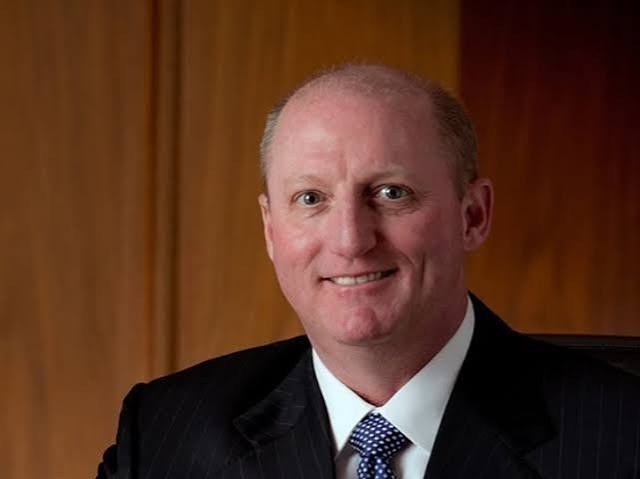
Jaipur: Berkshire Hathaway has begun putting its enormous cash reserves to work under new Chief Executive Officer Greg Abel, providing investors with an early indication of how the conglomerate’s capital-allocation strategy could evolve following Warren Buffett’s departure from the CEO role.
The company was a net buyer of nearly $20 billion of stocks during the second quarter of 2026, marking a notable shift after roughly 14 consecutive quarters of net stock selling. Berkshire also repurchased about $4.5 billion of its own shares during the quarter and bought another approximately $3.3 billion of stock in July.
The increased spending has started to reduce Berkshire’s enormous liquidity position. Cash, cash equivalents and U.S. Treasury holdings stood at approximately $364.7 billion at the end of June, down from about $380 billion three months earlier.
$10 Billion Alphabet Bet
One of the most significant moves was Berkshire’s investment of around $10 billion in Alphabet, the parent company of Google.
The investment is notable because it represents a major allocation to one of the world's largest technology companies. It also demonstrates that Berkshire remains willing to make sizeable bets on large, financially strong businesses when management sees attractive long-term potential.
For investors, the Alphabet purchase could become an important indicator of Abel’s investment approach as Berkshire enters its post-Buffett era.
Berkshire Expands Capital Deployment
Berkshire’s increased activity has not been limited to publicly traded stocks.
The company also agreed to acquire homebuilder Taylor Morrison in a transaction valued at approximately $6.8 billion.
Together with the stock purchases and share buybacks, the deal highlights a broader shift toward putting Berkshire's huge liquidity reserves to work.
However, Berkshire still maintains an extraordinary financial cushion. With nearly $365 billion in cash and Treasury holdings, Abel has substantial flexibility to pursue future acquisitions, increase equity investments or repurchase Berkshire shares.
Strong Second-Quarter Performance
Berkshire’s capital deployment came alongside stronger operating results.
Second-quarter operating profit rose 16% year-on-year to $12.98 billion, while revenue increased around 10% to $101.81 billion.
Net income more than doubled to approximately $25.67 billion.
Investors, however, should distinguish between operating earnings and reported net income. Berkshire’s net income can fluctuate significantly because it includes changes in the market value of its investment portfolio.
Operating earnings therefore provide a clearer picture of the performance of Berkshire’s underlying businesses.
The End of the Cash-Building Era?
For years, Berkshire’s growing cash pile became a defining feature of the Buffett era. Buffett was willing to wait for attractive opportunities rather than deploy capital simply for the sake of putting money to work.
Abel’s early decisions suggest Berkshire could become somewhat more active.
The nearly $20 billion net stock purchase, $10 billion Alphabet investment, Taylor Morrison acquisition and renewed share buybacks indicate that the company is increasingly willing to deploy capital when opportunities meet its investment criteria.
That does not necessarily represent a break from Buffett’s philosophy. Berkshire continues to maintain a huge liquidity reserve and appears focused on financially strong businesses and long-term value creation.
Aurelius Business View
The biggest takeaway from Berkshire’s latest numbers is not simply that Greg Abel is spending cash. It is where the money is going.
Public equities, strategic acquisitions and Berkshire’s own shares have all received capital, while the company continues to maintain one of the largest liquidity cushions among global corporations.
The shift could mark the beginning of a more active capital-allocation phase for Berkshire Hathaway.
With approximately $365 billion still sitting in cash and Treasury holdings, Abel has plenty of financial firepower remaining. The key question for investors will be whether Berkshire can continue finding investments large enough and profitable enough to generate attractive returns despite the company’s enormous size.
For now, the message from Berkshire is clear: the cash hoard is no longer simply being accumulated — Greg Abel is beginning to put it to work.
Disclaimer: This article is for informational and educational purposes only and does not constitute investment advice or a recommendation to buy or sell any security. Investors should conduct their own research and consult a qualified financial adviser before making investment decisions.
Sources: Berkshire Hathaway company disclosures and filings; Reuters; Associated Press.